Nigeria Agriculture Tenders 2026 on TendersGo

Nigeria, a nation rich in agricultural potential, is witnessing an invigorated focus on its farming sector in 2026. This year brings a surge of opportunities for international and local businesses looking to contribute to the country's food security and economic diversification. For bid managers, export managers, and procurement officers worldwide, understanding the landscape of Nigeria agriculture tenders is crucial. The opportunities span from critical farm inputs and heavy machinery to infrastructure development and specialized consultancy, painting a vibrant picture for those ready to engage with Africa's most populous nation.
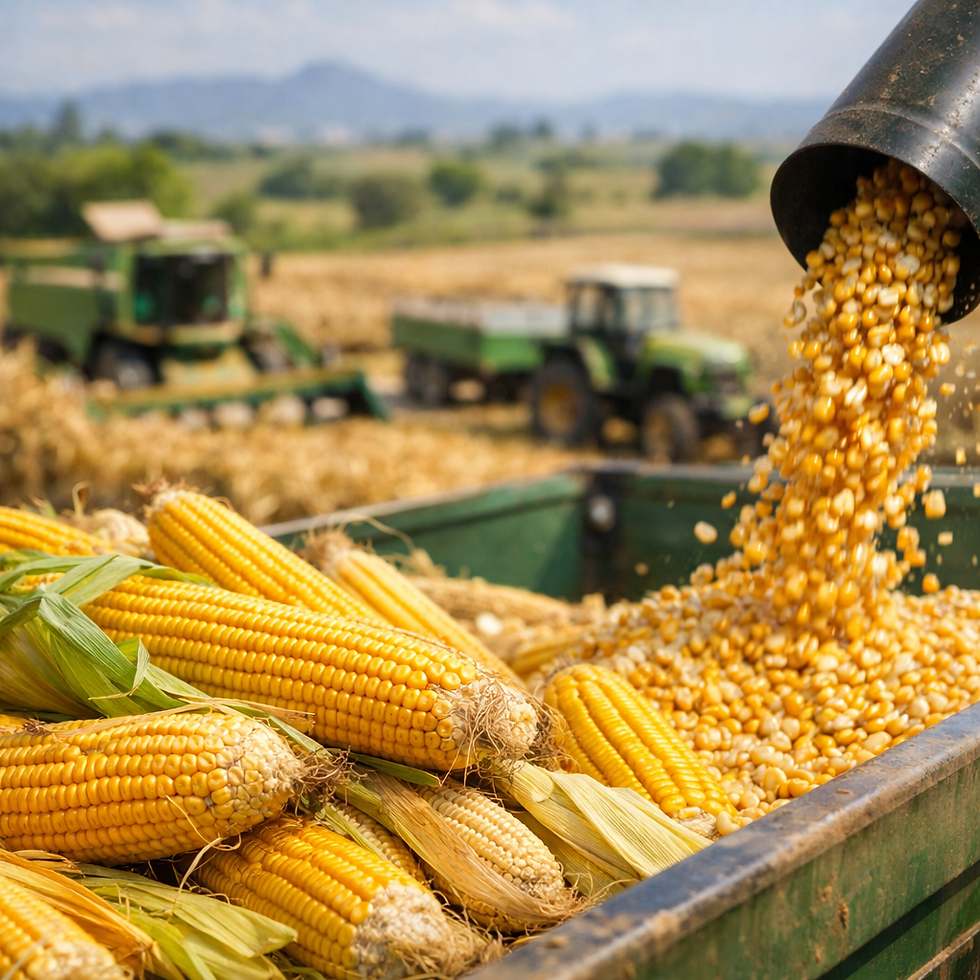
My travels through West Africa have shown me firsthand the transformative power of well-executed agricultural projects. From dusty fields in Kano to the bustling markets of Lagos, the demand for modern farming solutions is palpable. This isn't just about feeding a nation; it's about empowering communities and building a sustainable future. The government, alongside international partners, is pouring significant resources into this sector, making 2026 a particularly opportune moment to explore 2026 tender opportunities .
Key Players and Their Agricultural Initiatives in 2026
The agricultural tender landscape in Nigeria is shaped by a confluence of government agencies, international organizations, and state-level programs. Each entity brings its unique focus and funding mechanisms, creating a diverse array of opportunities. Understanding who is driving these initiatives is the first step in identifying relevant tenders.
The Federal Government of Nigeria, through its Ministry of Agriculture, is a major force. Their most ambitious undertaking this year is the Renewed Hope National Agricultural Mechanization Programme (RH-NAMP), announced on August 13, 2026. This initiative is a bold step towards modernizing Nigerian agriculture, with plans already underway for the procurement and deployment of 2,000 tractors and over 9,000 assorted implements and spare parts. The program aims to scale up, targeting 4,000 tractors annually. This translates into substantial demand for agricultural machinery, spare parts, and associated services, offering significant prospects for manufacturers and suppliers.
International organizations like the Food and Agriculture Organization (FAO), the International Fund for Agricultural Development (IFAD), and the World Bank are also deeply involved. The FAO, for instance, has been active in procuring essential inputs like the 2026 rainy season cereal, legume, and vegetable seeds for delivery to warehouses in Borno, Adamawa, Yobe, and Taraba States. Their tender reference 2025/FRNIR/FRNIR/134567, with a deadline of January 5, 2026, 17:00 (GMT+1), highlights the ongoing need for fundamental farming resources. Another FAO tender, reference 2026/FRNIR/FRNIR/135556, focuses on genetic improvement and broodstock management for African catfish, with a deadline of February 15, 2026, indicating a move towards more specialized agricultural interventions.
The World Bank continues to be a crucial financial backer for large-scale projects. Their support for Nigeria’s Livestock Productivity and Resilience Support Project (L-PRES) has led to tenders such as the provision of heavy-duty agricultural equipment for pasture development, published on April 29, 2026. A separate L-PRES tender, NG-BAUCHI L-PRES-561837-CW-RFB, posted on August 11, 2026, with an 8 September 2026 deadline, focuses on the construction of livestock investment infrastructure in Bauchi. These projects underscore a sustained commitment to modernizing Nigeria's livestock sector.
State-level initiatives also present substantial opportunities. Kano State's Special Agro-Industrial Processing Zones (SAPZ) Programme is seeking farm inputs like certified seeds, NPK, agrochemicals, and urea for wet season farming. Similarly, the FCT Special Agro-Industrial Processing Zones (SAPZ) Project is tendering for the construction of 1 km of road works and buildings/infrastructure for the Agricultural Transformation Centre at Karshi Grazing Reserve. These regional projects often require a more localized approach but can be highly rewarding. Even academic institutions, such as Michael Okpara University of Agriculture, Umudike, Abia State, are inviting tenders for their Year 2026 TETFund Zonal Intervention Project, demonstrating a broader institutional engagement in agricultural development.
Specific Tender Opportunities and Deadlines in 2026
For those looking to engage with Nigeria agriculture tenders , precision is key. Missing a deadline can mean missing out on significant contracts. This year has already seen, and will continue to see, a variety of tenders with distinct requirements and submission windows.
One of the earliest opportunities in 2026 was the FAO's procurement of 2026 rainy season cereal, legume, and vegetable seeds, referenced as 2025/FRNIR/FRNIR/134567. The deadline for this vital tender was January 5, 2026, at 17:00 GMT+1. This tender highlighted the immediate need for foundational agricultural inputs in key northern states.
Another FAO-led initiative, focused on genetic improvement and broodstock management for African catfish in Nigeria, carried the reference 2026/FRNIR/FRNIR/135556. The deadline for expressions of interest or pre-qualification for this specialized project was February 15, 2026. This particular tender signals a growing interest in aquaculture development and sustainable fisheries management.
The International Fund for Agricultural Development (IFAD) has also been active, publishing a general procurement notice for ICT equipment and agricultural inputs in Ogun and Kano States. The last bid submission date for this broad tender was April 18, 2026. Such notices often encompass a range of items, from digital tools to various farming supplies, reflecting a comprehensive approach to agricultural modernization.
World Bank-backed projects, particularly under the Livestock Productivity and Resilience Support Project (L-PRES), have generated significant tenders. The provision of heavy-duty agricultural equipment for pasture development was published on April 29, 2026. This type of tender is particularly relevant for manufacturers and distributors of tractors, harvesters, and other large farming machinery. Later in the year, on August 11, 2026, a separate L-PRES tender for the construction of livestock investment infrastructure in Bauchi (reference NG-BAUCHI L-PRES-561837-CW-RFB) was posted, with a deadline of September 8, 2026. These construction tenders require expertise in civil engineering and agricultural infrastructure development.
Looking ahead, the Federal Government's Renewed Hope National Agricultural Mechanization Programme (RH-NAMP), announced on August 13, 2026, will undoubtedly lead to a continuous stream of tenders for tractors, implements, and spare parts. While specific tender references are still emerging for this massive program, the NADF's procurement contract worth about USD 70 million with AGCOMS International Trading Limited for 2,000 John Deere tractors indicates the scale of upcoming opportunities. Keeping a close watch on government procurement portals and platforms like TendersGo will be essential for these future solicitations.
Navigating the Procurement Landscape: Documents and Portals
Participating in Nigerian agriculture tenders requires meticulous preparation and a clear understanding of the required documentation and official portals. The procurement culture, while striving for transparency, often demands specific certifications and local registrations.
Typically, companies interested in bidding will need to provide a comprehensive set of documents. These often include proof of legal registration in their country of origin, audited financial statements for the past few years, evidence of similar past projects (experience), and detailed technical specifications of the goods or services offered. For international bidders, local representation or partnerships are often advantageous, if not explicitly required, especially for large infrastructure projects or tenders requiring extensive in-country support.
For tenders issued by the Federal Government of Nigeria, the Bureau of Public Procurement (BPP) portal is the primary resource. State-level tenders, such as those from Kano or the FCT SAPZ programs, may be announced through state government procurement boards or specific project management units. International organizations like the FAO, IFAD, and the World Bank maintain their own dedicated procurement portals, which are accessible globally. For instance, World Bank tenders are published on their e-procurement system, while the FAO uses its own vendor portal.
It's also worth noting the language of procurement. While English is the official language for federal and international tenders, familiarity with local nuances can be beneficial. All official tender documents and correspondence will be in English. However, for ground-level engagement or local partnerships, understanding the cultural context can significantly smooth the process.
A crucial development for suppliers of farm equipment procurement is Nigeria's move to a 0% import-duty regime for agricultural machinery from July 2026. This policy change significantly reduces the cost burden for importers and can make bids for machinery more competitive. This is a clear signal from the government about their commitment to modernizing the agricultural sector and removing barriers for technology adoption.
TendersGo: Your Gateway to Nigerian Agriculture Opportunities
In a diverse and dynamic market like Nigeria, staying updated on tender opportunities can be a challenge. This is where a robust platform like TendersGo becomes indispensable. As the world's largest tender search engine, TendersGo aggregates opportunities from over 220 countries, including Nigeria, making it an invaluable tool for global businesses.
For those specifically tracking agri projects Africa , TendersGo offers a centralized hub. You can set up unlimited alerts based on keywords, CPV/NAICS codes, and specific regions, ensuring you never miss a relevant tender. Imagine receiving instant notifications for every new tender related to "farm equipment procurement" in Nigeria, directly to your inbox. This proactive approach saves countless hours that would otherwise be spent sifting through various government and organizational websites.
The platform’s AI summaries provide quick overviews of tender documents, allowing bid managers to rapidly assess suitability before diving into the full PDF. With support for 145 languages, TendersGo breaks down linguistic barriers, although for Nigerian tenders, English remains the primary language. The ability to view PDFs directly, utilize saved searches, and explore a B2B marketplace further enhances the user experience, providing a comprehensive toolkit for tender identification and analysis.
Considering the sheer volume and varied sources of agricultural tenders in Nigeria, from federal government programs like RH-NAMP to state-level SAPZ projects and international funding initiatives, a platform that consolidates these listings is not just convenient; it’s essential. TendersGo offers a free 30-day trial, providing an excellent opportunity for businesses to experience its capabilities firsthand and see how it can streamline their tender search process for Nigerian agriculture opportunities in 2026.
Challenges and Opportunities in Agricultural Procurement
While the opportunities in Nigeria's agricultural sector are significant, navigating the landscape also comes with its share of challenges. Understanding these can help businesses prepare more effectively and mitigate risks.
Logistics and infrastructure, while improving, can still pose hurdles, especially in rural areas. Delivery to remote locations in states like Borno, Adamawa, Yobe, and Taraba, as seen in the FAO seed procurement tender, requires robust supply chain planning. Road networks, storage facilities, and security considerations must all be factored into any tender proposal. My own experiences traversing these regions have shown me the resilience required to deliver goods and services effectively.
Bureaucracy, though being streamlined, can still lead to delays in tender processes and payment cycles. Patience and persistence are key. Establishing strong local partnerships can often help in navigating these administrative complexities and understanding local business practices. Furthermore, ensuring compliance with local content requirements, where applicable, can be a differentiator for bidders.
However, these challenges are often outweighed by the immense opportunities. Nigeria's large and growing population ensures a constant demand for food, making investment in agriculture a long-term prospect. The government's strong political will, demonstrated by initiatives like RH-NAMP and the removal of import duties on agricultural machinery, creates a supportive environment for growth. The substantial funding from international bodies like the World Bank, IFAD, and FAO also underpins the stability and scale of these projects.
The focus on specific value chains, such as groundnut and soybean seeds by NURU Nigeria, or catfish broodstock management by FAO, points to targeted interventions that can yield high returns. Businesses with specialized expertise in these areas will find a receptive market. The development of agro-industrial processing zones, as seen in Kano and the FCT, also opens doors for technology providers in food processing, packaging, and cold chain logistics.
Looking Ahead: The Future of Nigerian Agriculture
The trajectory of Nigerian agriculture in 2026 and beyond is clearly towards modernization, mechanization, and enhanced productivity. The initiatives we’ve discussed—from the massive RH-NAMP tractor procurement to specialized tenders for seeds and aquaculture—are all pieces of a larger puzzle aimed at transforming the sector.
The commitment to procuring 4,000 tractors annually under RH-NAMP alone signifies a colossal long-term demand for farm equipment procurement . This isn't just about selling machinery; it's about providing training, maintenance services, and spare parts, creating a sustainable ecosystem for agricultural growth. Companies that can offer comprehensive solutions, rather than just products, will be at a distinct advantage.
The emphasis on Special Agro-Industrial Processing Zones (SAPZ) in states like Kano and the FCT suggests a strategic shift towards value addition and industrialization within agriculture. This will drive demand for infrastructure development, processing technology, and logistics solutions, moving beyond raw material production to creating finished goods for both domestic consumption and export.
Furthermore, the ongoing involvement of international development partners ensures that projects are often designed with best practices, sustainability, and transparency in mind. This provides a level of assurance for international bidders and encourages a focus on quality and long-term impact. For businesses looking to make a meaningful contribution while securing profitable contracts, Nigeria's agriculture sector in 2026 presents a compelling narrative of growth and opportunity.