Australia Rail Tenders 2026 on TendersGo

Australia’s rail sector is buzzing with activity in 2026, presenting significant opportunities for businesses looking to engage with Australia rail tenders and 2026 rail procurement. From ambitious high-speed rail projects to crucial rolling stock upgrades, the sheer volume of investment signals a robust market for suppliers, contractors, and consultants worldwide. As an international journalist who has tracked infrastructure developments across continents, I've seen firsthand how such sustained investment transforms national capabilities and creates a wealth of contracts. For bid managers, export managers, and procurement officers, understanding the nuances of this market is key to securing a piece of the action.
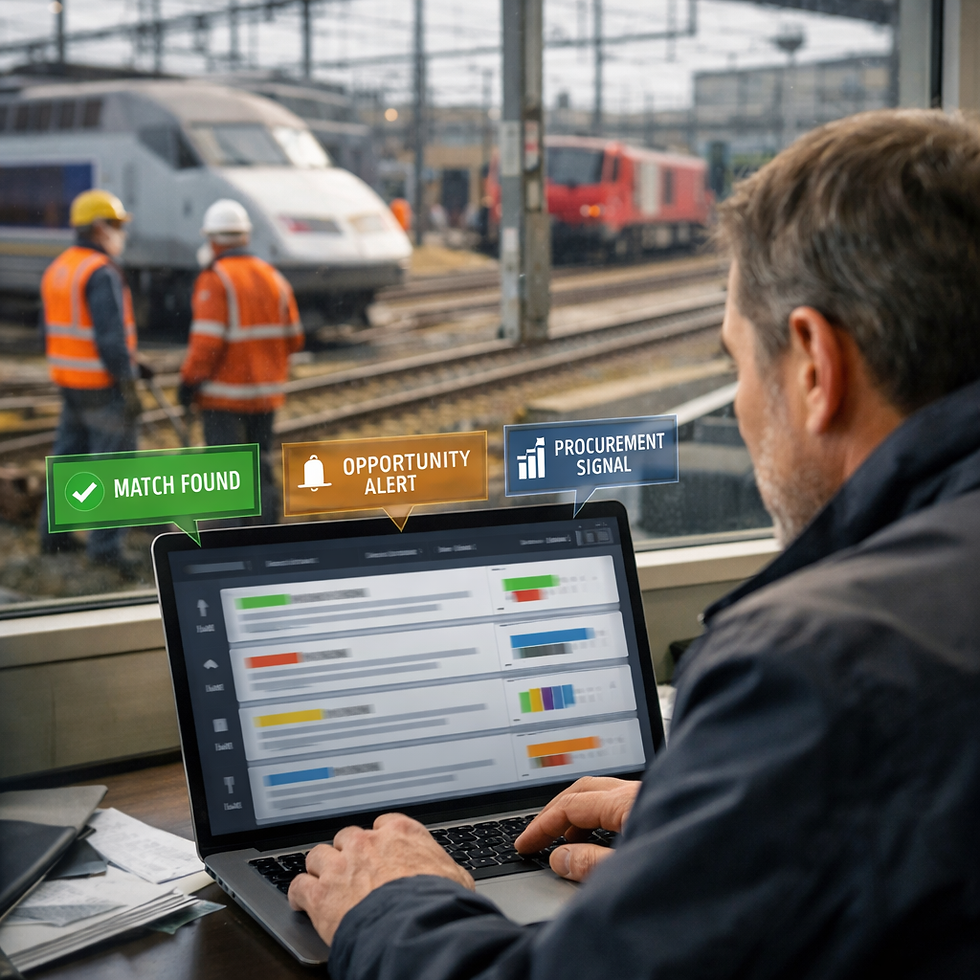
For those tracking these opportunities, knowing where to look is half the battle. Government portals like AusTender serve as foundational resources, but for a global perspective, platforms like TendersGo.com offer an unparalleled view. TendersGo, with its coverage of 220+ countries and 145 languages, is an indispensable tool for identifying and analyzing these complex tenders, especially when specific project details and deadlines might not be immediately obvious on national sites.
Navigating Australia’s Rail Procurement Landscape
The Australian government's commitment to enhancing its rail network is evident in the substantial financial allocations. The 2026-27 Federal Budget, for instance, earmarked an additional A$8.6 billion over eleven years from 2025-26 for nationally significant road and rail projects. This isn't just a budget line item; it translates directly into a pipeline of contracts for everything from civil engineering to advanced systems integration.
One of the most prominent beneficiaries of this funding is the Suburban Rail Loop East, receiving a hefty A$3.8 billion. This kind of project, often involving multiple stages and diverse specializations, naturally generates numerous tender opportunities. We also see A$1.8 billion in equity for the Australian Rail Track Corporation, a vital player in maintaining and developing the country’s rail infrastructure. These figures underscore a long-term vision for rail development, meaning sustained opportunities for businesses for years to come.
The High Speed Rail Authority: A Major Player in 2026 Rail Infrastructure Contracts
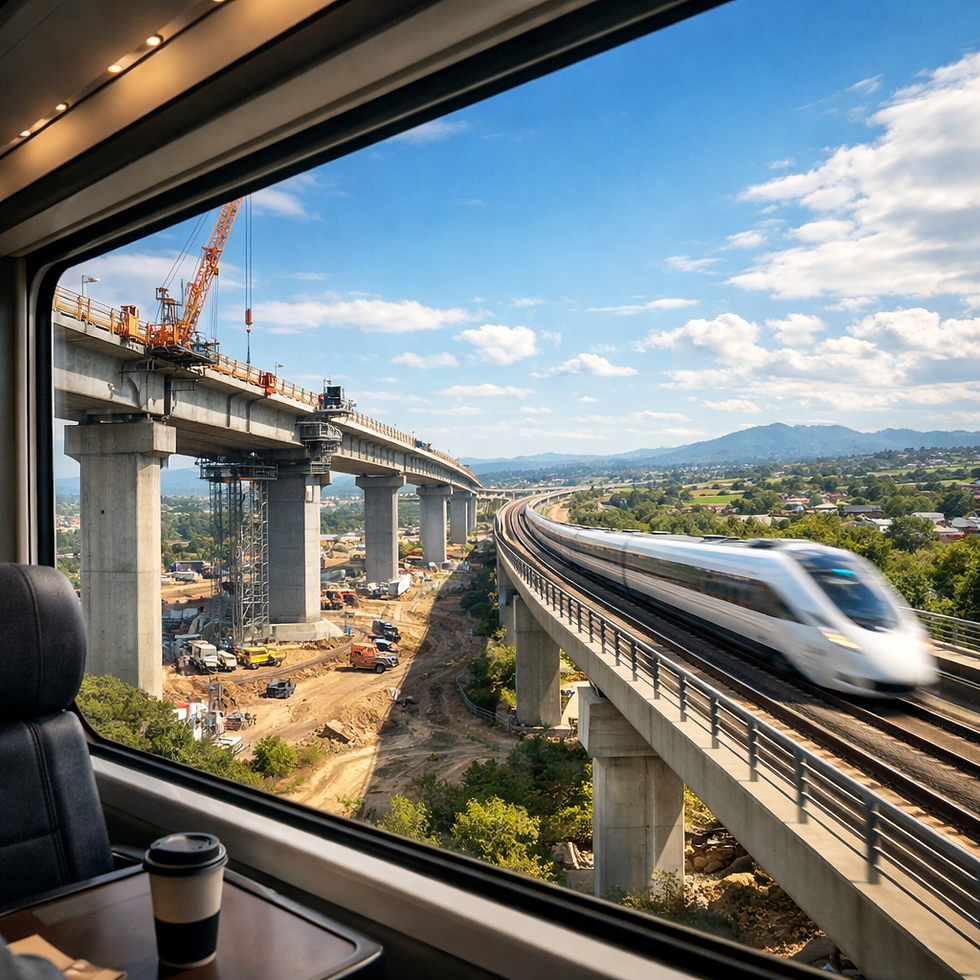
Perhaps the most exciting development on the horizon is the Newcastle to Sydney High Speed Rail connection. The High Speed Rail Authority (HSRA) confirmed in May 2026 that the tender process has officially begun for the first two major contract packages. This isn't just another rail line; it's a transformative project that will redefine inter-city travel in Australia.
The first package, "Area Package 1," is a colossal undertaking. It covers approximately 35 kilometres of twin Tunnel Boring Machine (TBM) tunnels, along with all associated civil works. Imagine the scale of the earthworks, the tunneling expertise required, and the sheer volume of materials. This package also includes an underground station and the installation of systems supplied by another contractor, making it a highly integrated project requiring meticulous coordination.
The second package, "Trains, Systems and Systems Integration," is equally critical. This involves the supply of the high-speed trains themselves, the design of all necessary systems, and the construction of the rail depot and operations control centre. Crucially, it also encompasses the integration, testing, and commissioning for the entire Newcastle to Sydney High Speed Rail corridor. For specialist firms in rolling stock manufacturing, signal systems, and operational technology, this represents a unique chance to contribute to a landmark project.
HSRA has indicated a strategic approach to procurement, utilizing an Early Contractor Involvement (ECI) process for successful Expression of Interest (EOI) parties. This collaborative model allows for greater input from industry experts during the development phase, potentially leading to more efficient and innovative solutions. However, it's worth noting their statement that no major construction contract will be awarded until a government decision-making process is complete. This means bidders need to stay agile and prepared for potential adjustments in timelines, a common feature in large-scale public infrastructure projects globally.
Rolling Stock Procurement: A National View
Beyond the high-speed dream, the day-to-day operation of Australia's rail network relies heavily on modern, efficient rolling stock. The National Rolling Stock Procurement Pipeline, updated in July 2026, provides valuable insights into upcoming passenger rolling stock procurements across Australian states and territories. This pipeline is a goldmine for manufacturers and suppliers, offering transparency on future needs.
The dataset within the pipeline is remarkably detailed, including procurement status, start and end years, lead procuring agency, lead contractor, procurement approach, and estimated total value. For example, the X’Trapolis 2.0 Trains for Victoria stand out with 25 trains, an estimated total value of A$986 million, and the Department of Transport as the lead procuring agency. Interestingly, Alstom is listed as the lead contractor, indicating a continued relationship with the state.
Queensland is also making significant investments, particularly in its New Generation Rollingstock. We see projects for Automatic Train Operation and Platform Screen Doors Fitment, as well as European Train Control System Fitment, both involving 75 trains. The Department of Transport and Main Roads is the lead procuring agency for these, with Alstom again identified as the lead contractor, and both projects are structured as Public Private Partnerships. This approach often involves a different risk allocation and financing structure, which potential bidders need to be aware of.
Speaking of Alstom, they announced on 4 August 2026 a substantial €270 million contract from the Victorian Government for an additional 25 X’trapolis 2.0 trains. This supplements an initial 2021 contract for 25 trains, demonstrating a programmatic approach to fleet expansion and modernization. For companies specializing in components, maintenance, or associated services, these long-term contracts with major players like Alstom can lead to sub-contracting opportunities.
How to Engage: Practical Steps for International Bidders
For international companies eyeing these transport tenders , understanding the local procurement culture and practical steps for engagement is paramount. Australia, like many developed nations, operates a transparent and competitive procurement system, but it has its unique elements.
First, familiarity with AusTender, the Australian Government’s central procurement information system, is non-negotiable. This portal publishes business opportunities, annual procurement plans, and awarded contracts, providing a critical baseline of information. However, relying solely on national portals can be limiting. This is where a global platform like TendersGo becomes invaluable. TendersGo provides AI summaries, unlimited alerts, and PDF viewing, allowing you to quickly filter through the noise and identify tenders relevant to your CPV/NAICS codes. Its B2B marketplace and saved searches further simplify the process of staying on top of opportunities across 220+ countries, including Australia.
While the research didn't pinpoint specific 2026 tender deadlines or qualification requirements for Australian rail tenders directly on TendersGo, the platform aggregates data from various sources, making it easier to track these as they emerge. It's about proactive monitoring rather than reactive searching. The absence of specific development bank project IDs in the research suggests that many of these projects are domestically funded, though international financing mechanisms can always emerge for large-scale infrastructure.
Required Documentation and Local Specifics
Preparing a bid for Australian rail projects requires meticulous attention to detail. While specific documents will vary by tender, common requirements often include detailed company profiles, financial statements, proven experience in similar projects, and robust quality assurance and safety management systems. For international bidders, demonstrating an understanding of Australian standards and regulations – which can differ from European or North American norms – is a significant advantage.
Often, local content requirements or preferences for Australian-based partnerships are factored into tender evaluations. While not always mandatory, forming consortia with local firms can enhance a bid's competitiveness, providing local market knowledge, established supply chains, and adherence to specific labor laws or environmental regulations. This is where networking and market research become critical; knowing the local players and understanding their capabilities can open doors to strategic alliances.
Language, thankfully, is generally not a barrier for English-speaking international firms, as all official tender documents will be in English. However, understanding the nuances of Australian legal and contractual language is important. Engaging local legal counsel or procurement consultants can help bridge any potential gaps in understanding complex contractual clauses or compliance obligations.
Leveraging TendersGo for Australian Rail Opportunities
In a dynamic market like Australian rail, staying informed is paramount. TendersGo offers more than just a list of tenders; it’s a strategic tool for market intelligence. By setting up saved searches for keywords like "Australia rail tenders," "rail infrastructure contracts," or specific CPV codes related to rail construction or rolling stock, you can ensure that no relevant opportunity slips through the cracks.
The platform’s ability to provide AI summaries of complex tender documents can save countless hours, allowing your team to quickly assess whether a particular tender aligns with your company's capabilities and strategic goals. With new projects constantly being announced and existing ones evolving, the real-time alerts provided by TendersGo become an indispensable part of your procurement strategy. Remember, you can start with a free 30-day trial to explore its full capabilities.
While direct 2026 Australia rail tender listings or rail-specific URLs might not always be immediately public on TendersGo's homepage, the power lies in its comprehensive search engine that pulls data from countless sources, including AusTender and other regional portals. The Australian Tenders rail infrastructure category, often listed as "Tenders for Rail Infrastructure" across Australia and New Zealand, is one such source that TendersGo would monitor and aggregate.
Looking Ahead: Sustained Growth and Future Prospects
The Australian government's long-term commitment, evidenced by the substantial budget allocations extending beyond 2026, signals a sustained period of growth in the rail sector. Projects like the Newcastle to Sydney High Speed Rail are not just singular contracts; they are catalysts for further development, creating ecosystems of associated services and future expansion opportunities. The ongoing updates to the National Rolling Stock Procurement Pipeline also provide a clear forward view, allowing companies to strategically plan their engagement with the Australian market.
For those in the business of building, supplying, or consulting for rail, Australia in 2026 and beyond represents a fertile ground. The scale of investment, coupled with a clear vision for modernizing and expanding the national rail network, means that the opportunities are significant and diverse. Proactive engagement, strategic partnerships, and effective use of global procurement platforms like TendersGo will be critical for success in this exciting market.